Work Hours
Monday to Saturday: 9AM - 9PM
Work Hours
Monday to Saturday: 9AM - 9PM
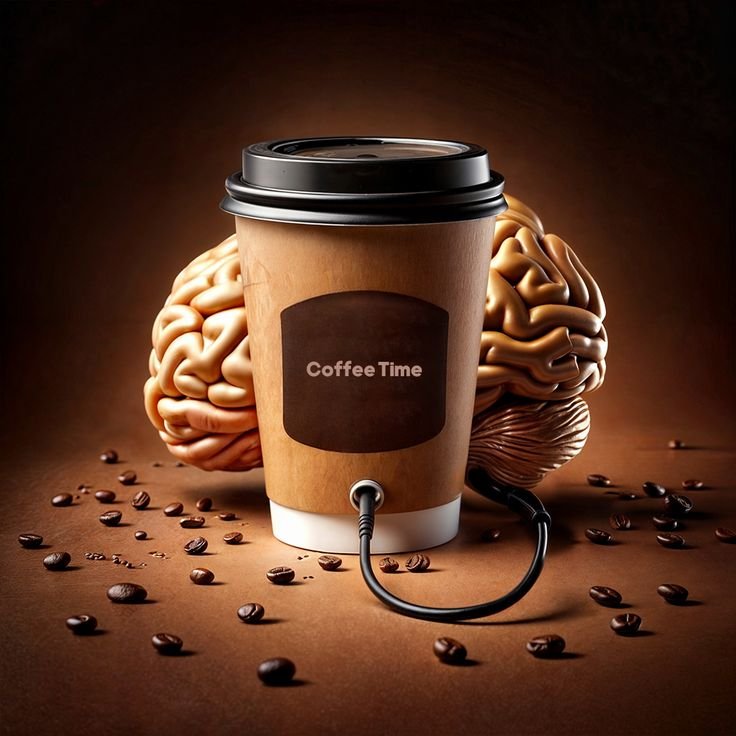
For millions of people, coffee is more than a drink — it’s a daily ritual that brings energy, focus, and comfort. But what actually happens inside your brain when you sip that morning espresso?
The answer lies in how caffeine interacts with your nervous system, influencing everything from alertness to mood.
Let’s explore the science behind caffeine and why it makes you feel awake and energized.
Caffeine is the most widely consumed psychoactive substance in the world.
It’s found naturally in:
Even though it’s considered a stimulant, caffeine doesn’t directly create energy — instead, it changes how your brain responds to tiredness.
When you’re awake, your brain produces a chemical called adenosine.
Adenosine binds to receptors in your brain, telling your body:
“You’re getting tired — slow down.”
The more adenosine builds up, the more sleepy you feel.
Here’s where caffeine comes in:
Caffeine has a similar shape to adenosine, so it blocks its receptors.
This prevents the brain from receiving the “tiredness signal,” making you feel more awake.
So caffeine doesn’t give you energy — it simply masks your fatigue.
Caffeine also influences dopamine, a neurotransmitter linked to:
When caffeine blocks adenosine, dopamine activity increases — especially in areas of the brain responsible for attention.
This is why coffee can enhance concentration and elevate your mood.
Unlike stronger stimulants, caffeine increases dopamine gently, making it safe for most people when consumed in moderation.
Caffeine stimulates the release of adrenaline, also called the “fight-or-flight” hormone.
This can:
That’s why athletes often drink coffee before exercising — it helps them react faster and perform better.
Because caffeine affects multiple pathways in the brain at once:
The result is increased focus, faster reaction time, and improved mental performance.
This makes caffeine especially helpful during work, studying, or early mornings.
As caffeine wears off, the blocked adenosine receptors become available again.
But adenosine has been building up the whole time — so once caffeine leaves your system, you may feel:
This is known as the caffeine crash.
Good hydration and balanced intake help minimize it.
If you consume caffeine regularly, your brain adapts by creating more adenosine receptors.
This means it takes more caffeine to block them and feel awake.
This is why some people need 1 cup to wake up, while others need 3 cups.
The good news?
Taking short breaks (1–2 weeks) can reset your sensitivity.
Yes — caffeine can stay in your system for 6–8 hours.
If consumed too late in the day, it may:
Most people benefit from avoiding caffeine after 3–4 PM, but it depends on personal sensitivity.
Health experts recommend up to:
400 mg per day
≈ 3–4 cups of coffee
Pregnant individuals are advised to limit intake to 200 mg.
In moderation — yes.
Research suggests that caffeine may help:
Improve focus and memory
Reduce the risk of Alzheimer’s
Lower chances of Parkinson’s
Boost mental performance

