Work Hours
Monday to Saturday: 9AM - 9PM
Work Hours
Monday to Saturday: 9AM - 9PM
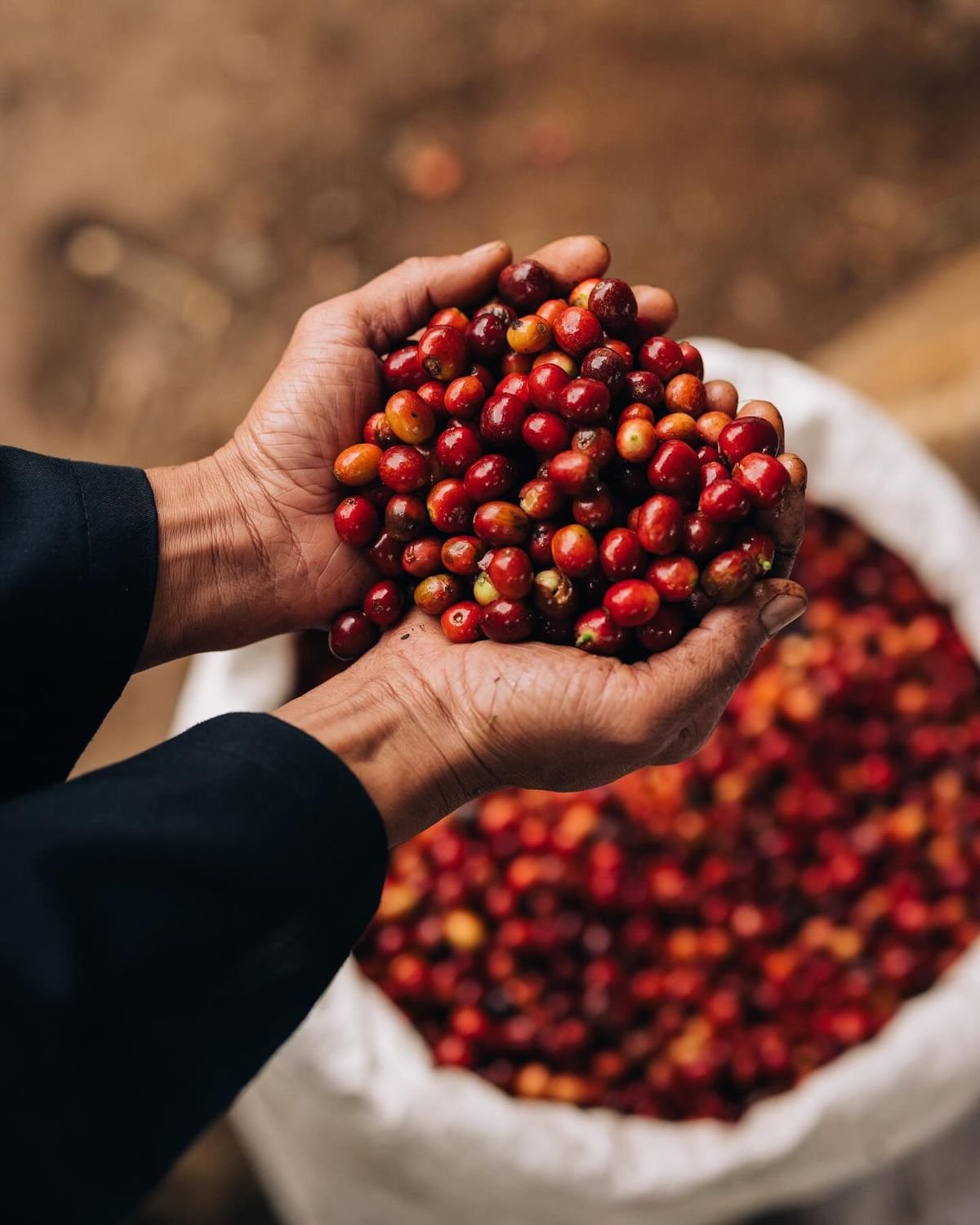
When most people think of coffee, they imagine a bag of roasted brown beans destined for their morning brew. But what if we told you those “beans” aren’t actually beans at all?
Surprising as it may sound—coffee is technically a fruit! The familiar coffee bean is the seed found inside a bright red cherry-like fruit that grows on coffee trees. This fascinating truth reveals a new and flavorful perspective on the world’s most popular beverage.
Coffee plants produce clusters of small fruits commonly called coffee cherries.
These cherries:
When the cherry is ripe, it’s sweet, juicy, and edible. Many describe its flavor as a mix of watermelon, rose, and hibiscus. While the fruit is rarely eaten fresh today, some regions use it to make cascara tea, a naturally sweet and lightly caffeinated drink.
Simple:
In reality, it has nothing in common with legumes like black beans, lentils, or chickpeas.
Instead, coffee is more closely related to fruits such as:
Cherries
Mangoes
Peaches
That means your morning cup of coffee comes from the same botanical family as some of your favorite sweet fruits!
Coffee cherries taste nothing like brewed coffee.
They are:
Many describe the flavor as similar to ripe cherries or hibiscus. Traditionally, in Ethiopia and Yemen, the dried fruit skins were brewed into qishr or cascara tea, enjoyed long before modern espresso culture existed.
“Cascara,” meaning husk in Spanish, refers to the dried outer skin of the coffee cherry.
It offers:
Sweet berry flavor
Floral aroma
Lower caffeine than coffee
This drink is now gaining popularity in coffee shops around the world, offering a fresh way to enjoy the fruit behind the bean.

